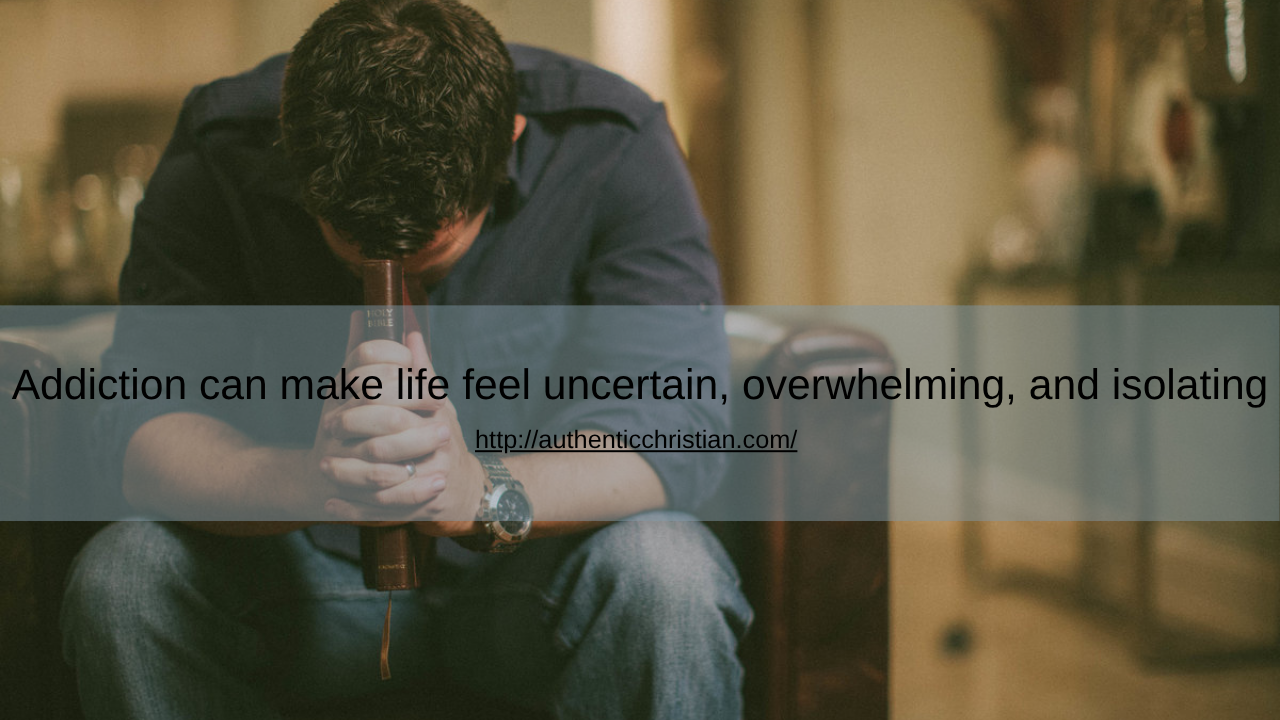
Addiction recovery is about more than breaking habits—it is about restoring the mind, body, and spirit. While therapy, medical support, and counseling are essential, many individuals discover that true healing is incomplete without a spiritual foundation. Prayer offers a powerful, personal connection to God that provides guidance, strength, and hope throughout the recovery journey. At Authentic Christian, we recognize the transformative role that prayer plays in Christian addiction recovery, helping individuals find peace, resilience, and renewed purpose beyond the habit.
Why Prayer Matters in Recovery
Prayer is not simply a ritual; it is an active conversation with God that brings clarity and comfort during challenging times. For those in recovery, prayer serves multiple purposes:
- Emotional support: Prayer allows individuals to express fears, guilt, and desires for change, relieving emotional burdens.
- Spiritual guidance: Seeking God’s direction helps clients navigate life decisions and maintain focus on their recovery goals.
- Strength and perseverance: Prayer reinforces the belief that they are not alone in their journey, providing inner strength to overcome cravings and setbacks.
When integrated with professional addiction treatment, prayer becomes a bridge between spiritual growth and practical recovery efforts, creating a holistic approach that addresses the whole person.
H2: Integrating Prayer into Christian Addiction Treatment
Christian addiction recovery at Authentic Christian combines evidence-based methods with faith-centered practices. Prayer is a cornerstone of this approach, supporting individuals at every stage of healing.
H3: Creating a Daily Prayer Routine
Establishing regular times for prayer can stabilize emotional health and reduce stress. Daily prayer routines encourage mindfulness, reflection, and gratitude, all of which are vital for sustaining long-term recovery.
H3: Using Prayer During Challenging Moments
Cravings, triggers, and emotional turmoil are common in recovery. In these moments, prayer provides an immediate source of comfort and perspective. Clients learn to redirect thoughts from fear or guilt toward hope and faith, strengthening resilience.
H3: Incorporating Scripture in Prayer
Scripture reinforces the messages of hope and redemption in prayer. Verses such as Philippians 4:13, “I can do all things through Christ who strengthens me,” remind individuals of their ability to overcome struggles with God’s help. Integrating scripture into prayer deepens spiritual growth and reinforces recovery goals.
The Holistic Benefits of Prayer
Prayer supports healing not only spiritually but also emotionally and physically. Studies show that faith practices can reduce stress, improve mental health, and increase feelings of connection and purpose. In addiction recovery, these benefits translate to:
- Reduced anxiety and depression: Prayer fosters emotional regulation and calmness.
- Stronger motivation for change: A spiritual framework reinforces commitment to sobriety.
- Enhanced resilience: Clients develop coping skills rooted in faith, enabling them to navigate life’s challenges more effectively.
Authentic Christian integrates prayer with professional counseling, group support, and individualized treatment plans, creating a comprehensive recovery experience that addresses every aspect of a client’s wellbeing.
Building a Recovery Life Centered on Faith
Recovery is not simply about avoiding substances—it is about learning to live a fulfilling life guided by God’s wisdom. Prayer helps individuals build a daily practice of reflection, gratitude, and guidance, allowing faith to shape decisions, relationships, and personal growth. By connecting with God regularly, clients develop spiritual resilience that strengthens their recovery journey and fosters long-term stability.
Conclusion
Healing from addiction requires attention to the mind, body, and spirit. Prayer provides a vital spiritual anchor, offering strength, comfort, and guidance in moments of struggle. At Authentic Christian, we help clients integrate prayer into their recovery, combining faith-based care with professional treatment to create lasting transformation.
If you or a loved one is seeking a path to recovery that nurtures both spiritual and emotional wellbeing, reach out today. Through prayer, guidance, and compassionate care, it is possible to move beyond the habit and embrace a life of purpose, peace, and lasting freedom.