Monthly Archives: June 2026

Faith-Based Recovery in Action: Understanding Christian Approaches to Addiction and Mental Health

Addiction affects far more than physical health. It can disrupt emotional well-being, damage relationships, weaken self-confidence, and leave individuals feeling disconnected from their faith and purpose. For many people, lasting recovery requires more than overcoming substance use. It requires healing the mind, body, and spirit together. A Christian approach to addiction recovery combines evidence-based treatment with biblical principles, offering compassionate support that addresses every aspect of a person’s journey. At Authentic Christian, recovery is centered on individualized care, professional mental health treatment, and faith-based guidance that empowers individuals to build healthier, more meaningful lives.

What Is Faith-Based Addiction Recovery?

Faith-based addiction recovery is an approach that integrates proven clinical treatment with Christian values and spiritual growth. Rather than viewing addiction as only a physical dependency, this model recognizes the emotional, psychological, and spiritual challenges that often accompany substance use disorders.

Professional counselors, therapists, and recovery specialists work alongside spiritual mentors to help individuals understand the causes of addiction, develop healthy coping skills, and strengthen their relationship with God. This balanced approach provides practical tools for recovery while encouraging hope, forgiveness, and personal transformation.

A Foundation Built on Grace and Hope

Many individuals entering treatment carry feelings of guilt, shame, or discouragement. Christian recovery reminds people that healing begins with grace, not condemnation. Scripture teaches that every person has value and the ability to experience renewal through faith.

This message of hope helps individuals move beyond past mistakes and focus on building a healthier future. When combined with professional treatment, faith becomes a source of motivation that supports long-term recovery.

Understanding the Link Between Addiction and Mental Health

Addiction rarely develops in isolation. Many people living with substance use disorders also experience mental health conditions such as anxiety, depression, trauma, or chronic stress. In some cases, substances are used to cope with emotional pain. In others, addiction itself contributes to worsening mental health.

A comprehensive recovery program addresses both challenges together. Treating addiction without addressing emotional well-being often leaves important issues unresolved.

Integrated Treatment Creates Stronger Recovery

At Authentic Christian, addiction recovery and mental health treatment are integrated into personalized care plans. Licensed professionals provide evidence-based therapies that help individuals understand unhealthy thought patterns, process difficult experiences, and develop healthier ways to respond to life’s challenges.

This integrated approach supports emotional healing while reducing the likelihood of relapse. Clients learn practical coping strategies that strengthen both mental wellness and long-term sobriety.

Personalized Care for Every Recovery Journey

Recovery is a personal experience, and every individual has different needs. Factors such as family history, physical health, emotional well-being, and previous treatment experiences all influence the recovery process.

That is why individualized treatment plans are essential. Rather than using a one-size-fits-all model, care is adapted to each person’s goals, strengths, and challenges.

Choosing Between Inpatient and Outpatient Care

Some individuals benefit from the structure and intensive support provided by inpatient treatment. These programs create a safe environment where clients can focus entirely on healing while participating in therapy, spiritual guidance, and wellness activities.

Others may benefit from outpatient care, which allows them to continue working, attending school, or caring for family while participating in scheduled counseling and recovery services. Both options provide professional support while encouraging continued personal growth.

Holistic Healing Through Faith

A holistic recovery model recognizes that lasting healing requires attention to every area of life. Physical wellness, emotional stability, spiritual growth, and healthy relationships all contribute to successful recovery.

Faith-based programs often encourage healthy daily habits that reinforce both physical and emotional well-being.

Practical Habits That Support Recovery

Developing consistent routines helps individuals maintain progress after treatment. Healthy practices may include:

  • Beginning each day with prayer and personal reflection
  • Reading scripture for encouragement and guidance
  • Attending individual and group counseling sessions
  • Participating in church or faith-based recovery groups
  • Exercising regularly and maintaining balanced nutrition
  • Building healthy relationships that encourage accountability
  • Practicing gratitude and celebrating recovery milestones

These habits strengthen resilience and help individuals navigate life’s challenges with confidence and purpose.

The Power of Community and Accountability

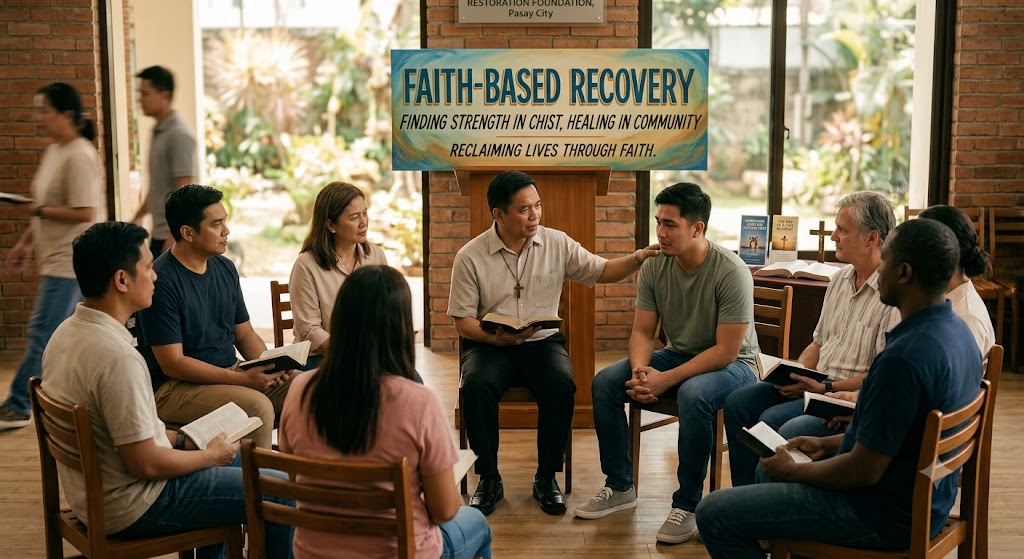
Recovery is strengthened through meaningful relationships. Addiction often isolates people from loved ones and supportive communities. Christian recovery encourages rebuilding those connections through fellowship, mentorship, and shared faith.

Support groups create opportunities to learn from others, celebrate progress, and receive encouragement during difficult seasons. Accountability partners and spiritual mentors also provide guidance that helps individuals remain committed to their recovery goals.

When people know they are supported and understood, they are often better equipped to overcome setbacks and continue moving forward.

Building a Life Beyond Addiction

Sobriety is an important milestone, but lasting recovery is about creating a fulfilling and purposeful life. Christian recovery encourages individuals to rediscover their gifts, strengthen family relationships, pursue healthy goals, and develop a deeper relationship with God.

As emotional health improves and spiritual confidence grows, individuals become better prepared to handle stress, make healthy decisions, and embrace new opportunities with hope.

Conclusion

Faith-based recovery demonstrates that addiction treatment and Christian principles can work together to create lasting transformation. Professional mental health care, individualized treatment, and spiritual guidance each play an important role in helping individuals heal from addiction and rebuild their lives.

At Authentic Christian, compassionate professionals understand that every recovery journey is unique. Through holistic care, evidence-based treatment, and faith-centered support, individuals receive the tools they need to achieve lasting sobriety and emotional wellness. If you or someone you love is struggling with addiction or mental health challenges, reaching out today can be the first step toward healing, renewed purpose, and a future built on hope and faith.

What the Bible Says About Addiction: Finding Hope and Healing Through Christian Recovery Support

Addiction can create deep struggles that affect a person’s thoughts, relationships, emotions, and sense of purpose. Many individuals facing addiction also experience feelings of guilt, shame, or hopelessness. However, the message of the Bible is one of restoration, grace, and renewal. Christian recovery support offers a path that combines spiritual encouragement with professional addiction treatment and mental health care. Through faith, counseling, and personalized support, individuals can find hope and begin the journey toward lasting healing.

At Authentic Christian, recovery is approached with compassion and understanding. By combining faith-based principles with evidence-based treatment, individuals receive support that addresses the mind, body, and spirit.

Understanding Addiction Through a Biblical Perspective

The Bible does not describe addiction in modern clinical terms, but it speaks extensively about struggles with temptation, suffering, healing, and transformation. Scripture teaches that people are not defined by their struggles or past mistakes. Instead, they are offered the opportunity for renewal and a restored sense of identity.

Christian addiction recovery focuses on this message of hope. Addiction is viewed as a challenge that requires support, accountability, and healing rather than judgment. Faith provides encouragement while professional treatment helps individuals develop the tools needed to overcome addiction.

The Importance of Grace and Forgiveness

One of the most powerful themes in Christianity is grace. Many individuals struggling with addiction carry heavy emotional burdens because of past decisions. Feelings of shame can make it difficult to seek help or believe that change is possible.

Christian recovery emphasizes that healing begins with acceptance and forgiveness. Understanding grace allows individuals to release shame and focus on growth. This perspective creates space for emotional healing and a renewed commitment to recovery.

How Faith Supports Addiction Recovery

Faith can provide strength during some of the most difficult moments of recovery. Addiction recovery involves challenges, including cravings, emotional triggers, and life changes. Spiritual support helps individuals remain grounded and focused on their goals.

Practices such as prayer, scripture reading, and reflection can provide comfort and direction. These practices encourage individuals to seek wisdom, develop patience, and maintain hope throughout the recovery process.

Building Strength Through Spiritual Practices

Spiritual habits can become an important part of a healthy recovery routine. Some practices that support faith-based recovery include:

  • Daily prayer and reflection
  • Reading scripture for encouragement and guidance
  • Participating in church or faith communities
  • Practicing gratitude and forgiveness
  • Seeking accountability through trusted relationships

These practices help strengthen emotional resilience and create a deeper connection to faith.

The Role of Mental Health Treatment in Christian Recovery

While faith provides spiritual support, many individuals also need professional mental health treatment to address the underlying causes of addiction. Substance use disorders are often connected to trauma, anxiety, depression, or other emotional challenges.

A comprehensive Christian recovery approach recognizes the importance of treating both addiction and mental health. Therapy and counseling help individuals understand their experiences, develop healthier coping skills, and create strategies for long-term success.

Why Individualized Care Matters

Every person’s recovery journey is different. Effective treatment considers each individual’s history, challenges, goals, and personal needs.

At Authentic Christian, individualized care helps ensure that treatment is focused on the person rather than just the addiction. This may include therapy, spiritual guidance, and structured recovery support based on each person’s situation.

Inpatient and Outpatient Christian Recovery Support

Different stages of recovery require different levels of care. Inpatient and outpatient programs provide flexible options based on an individual’s needs.

Inpatient treatment offers a structured environment where individuals can focus completely on healing. With professional support, therapy, and spiritual guidance, clients can work through challenges in a safe setting.

Outpatient treatment allows individuals to continue receiving care while maintaining daily responsibilities. This approach provides ongoing therapy and support while helping individuals practice recovery skills in everyday life.

A Holistic Approach to Healing

Christian recovery focuses on restoring the whole person. Healing involves more than overcoming addiction. It includes rebuilding relationships, improving mental health, strengthening faith, and creating a healthier lifestyle.

A holistic approach may include:

  • Addiction counseling
  • Mental health support
  • Spiritual growth opportunities
  • Healthy lifestyle practices
  • Community connection and accountability

By addressing multiple areas of life, individuals are better prepared for long-term recovery.

Finding Hope Through Christian Recovery

The Bible’s message is one of hope and transformation. Addiction may be part of someone’s story, but it does not have to define their future. Through faith, professional care, and supportive relationships, individuals can move toward healing and restoration.

Conclusion: A Path Toward Healing and Renewal

Christian recovery support offers a compassionate approach to addiction healing by combining spiritual guidance with professional treatment. Faith provides hope, while therapy and personalized care provide the practical tools needed for lasting change.

At Authentic Christian, individuals are supported through a recovery journey that values dignity, healing, and personal growth. If you or someone you love is struggling with addiction or mental health challenges, reaching out for support can be the first step toward restoration, renewed purpose, and a healthier future grounded in faith.

Christian Addiction Recovery Explained: How Faith and Professional Care Work Together for Healing

Addiction recovery is most effective when it addresses the whole person, not just the symptoms of substance use. For many individuals, lasting healing requires more than willpower or medical treatment alone. It requires emotional support, mental health care, and a renewed sense of purpose. Christian addiction recovery brings these elements together by combining evidence-based clinical care with faith-centered support. At Authentic Christian, individuals receive compassionate, personalized treatment designed to help them heal physically, emotionally, and spiritually in a supportive environment.

Understanding Christian Addiction Recovery

Christian addiction recovery is a holistic approach that integrates professional treatment with spiritual guidance. It recognizes that addiction is not only a physical dependency but also a condition that affects mental health, relationships, and spiritual well-being.

This approach does not replace medical or therapeutic care. Instead, it enhances it by adding a foundation of faith, hope, and purpose. Individuals are supported through structured treatment plans that address both the clinical and spiritual aspects of recovery.

Why Faith Matters in the Healing Process

Faith plays a powerful role in helping individuals rebuild their lives after addiction. Many people entering recovery struggle with shame, guilt, or a loss of identity. Christian principles offer forgiveness, restoration, and hope, helping individuals see that their past does not define their future.

Spiritual practices such as prayer, scripture reading, and reflection provide daily encouragement. These practices help individuals stay grounded during moments of stress or temptation and create a deeper sense of meaning throughout recovery.

The Role of Professional Care in Addiction Recovery

While faith provides emotional and spiritual strength, professional care ensures that recovery is safe, structured, and effective. Addiction often involves physical dependence and underlying mental health conditions that require clinical support.

At Authentic Christian, licensed professionals provide evidence-based treatment including therapy, counseling, and mental health support. This ensures that individuals receive comprehensive care that addresses the root causes of addiction as well as its symptoms.

Treating Mental Health and Addiction Together

Many individuals struggling with addiction also experience mental health challenges such as anxiety, depression, or trauma. Treating these conditions together is essential for long-term recovery success.

Integrated treatment may include:

  • Individual therapy sessions
  • Group counseling and peer support
  • Trauma-informed care
  • Relapse prevention planning
  • Emotional regulation strategies

By addressing both addiction and mental health simultaneously, individuals are better equipped to build stability and maintain sobriety.

Inpatient and Outpatient Care Options

Recovery is not the same for everyone. Some individuals require intensive support, while others need flexibility to maintain daily responsibilities. Christian addiction recovery programs offer both inpatient and outpatient care options.

Inpatient programs provide a structured environment where individuals can focus entirely on healing. These programs include daily therapy, spiritual support, and supervised care in a safe setting.

Outpatient programs allow individuals to continue working, studying, or caring for family while attending scheduled treatment sessions. This approach provides ongoing support while encouraging real-world application of recovery skills.

Personalized Treatment for Every Individual

No two recovery journeys are the same. Personalized care plans ensure that each individual receives the right level of support based on their needs, history, and goals.

This individualized approach helps improve outcomes by focusing on what each person specifically needs to heal and grow.

How Faith and Clinical Care Work Together

Faith and professional care are not separate paths. When combined, they create a balanced and effective recovery model. Clinical treatment addresses the physical and psychological aspects of addiction, while faith provides emotional strength and spiritual direction.

Together, they help individuals:

  • Build healthier coping strategies
  • Develop emotional resilience
  • Strengthen personal identity and purpose
  • Reduce relapse risk
  • Maintain long-term sobriety

This integrated approach supports healing in every area of life.

The Importance of Community in Recovery

Community support is essential for lasting recovery. Addiction often leads to isolation, while healing thrives in connection with others.

Faith-based recovery communities, support groups, and mentorship programs provide encouragement, accountability, and understanding. These relationships help individuals stay motivated and feel less alone throughout their journey.

Practical Steps for Strengthening Recovery

Recovery is built through consistent daily actions. Simple, intentional habits can make a significant difference over time.

  1. Establish a daily routine that includes prayer or reflection
  2. Attend therapy sessions consistently
  3. Engage in supportive community or recovery groups
  4. Prioritize sleep, nutrition, and physical activity
  5. Set realistic goals and track personal progress

These steps help reinforce stability and support long-term healing.

Conclusion: A Unified Path to Healing and Hope

Christian addiction recovery works because it brings together two essential elements: faith and professional care. This combination allows individuals to heal not only from addiction but also from the emotional and spiritual wounds that often accompany it.

At Authentic Christian, compassionate professionals provide individualized, faith-based treatment designed to support every stage of recovery. If you or someone you love is struggling with addiction or mental health challenges, reaching out for help today can be the first step toward healing, restoration, and a renewed life built on faith and professional care working together.

Walking Through Recovery with God: Practical Christian Support for Addiction and Mental Health

Addiction and mental health challenges can make life feel overwhelming, isolating, and uncertain. Many individuals trying to break free from substance use also struggle with anxiety, depression, trauma, or emotional exhaustion. Recovery is not only about stopping harmful behaviors. It is about rebuilding stability, restoring hope, and finding a new way forward. Walking through recovery with God offers a powerful foundation for healing, combining faith, clinical care, and practical support. At Authentic Christian, individuals receive compassionate, individualized treatment that integrates addiction recovery, mental health care, and spiritual guidance to support lasting transformation.

Understanding Christian Support in Recovery

Christian support in addiction recovery focuses on the belief that healing involves the whole person, including mind, body, and spirit. Instead of addressing only the physical aspects of addiction, this approach also recognizes emotional wounds and spiritual needs.

Faith provides a steady foundation during uncertain times. It helps individuals find meaning, develop resilience, and reconnect with a sense of identity beyond addiction. When combined with professional treatment, faith becomes a guiding force that supports long-term recovery.

Why Faith Matters in Addiction and Mental Health Recovery

Faith offers more than comfort. It provides structure, encouragement, and purpose. Many individuals in recovery experience guilt or shame about their past. Christian principles emphasize forgiveness, grace, and restoration, helping individuals move forward without being defined by past mistakes.

Spiritual practices such as prayer and reflection also help reduce stress and improve emotional balance. These practices provide grounding during moments of temptation or emotional difficulty, making recovery more manageable and sustainable.

Integrating Mental Health and Addiction Treatment

Addiction and mental health are closely connected. Many individuals use substances as a way to cope with unresolved emotional pain, trauma, or mental health disorders. Without addressing these underlying issues, recovery becomes more difficult.

At Authentic Christian, mental health care is integrated into addiction treatment programs. Licensed professionals provide therapy and counseling that focus on emotional healing, behavioral change, and trauma recovery. This ensures that individuals receive care that addresses both the root causes and symptoms of addiction.

A Whole-Person Approach to Healing

Whole-person care recognizes that recovery is not just physical. It involves emotional stability, mental clarity, and spiritual renewal. Treatment plans are tailored to each individual and may include therapy, spiritual mentoring, and lifestyle support.

This integrated approach helps individuals develop healthier coping strategies while building emotional resilience and self-awareness.

Inpatient and Outpatient Care Options

Recovery looks different for everyone, which is why flexible treatment options are important. Some individuals benefit from intensive inpatient care, while others need the flexibility of outpatient programs.

Inpatient care provides a structured environment where individuals can focus entirely on healing. This includes daily therapy, spiritual guidance, and supportive community care in a safe setting.

Outpatient care allows individuals to continue working, attending school, or managing family responsibilities while receiving ongoing therapy and spiritual support. Both options are designed to provide consistent, personalized care.

The Importance of Daily Spiritual Practices

Spiritual habits play a key role in maintaining recovery. They help individuals stay grounded and focused on long-term healing. Common practices include:

  • Daily prayer and reflection
  • Reading scripture for guidance and encouragement
  • Attending faith-based support groups
  • Practicing gratitude and mindfulness
  • Engaging in community worship or fellowship

These practices help reinforce emotional stability and strengthen spiritual connection throughout the recovery journey.

Building Healthy Habits for Long-Term Recovery

Sustainable recovery requires consistent daily habits that support physical, emotional, and spiritual well-being. Small, intentional changes create long-term stability.

Practical Steps for Recovery Support

  1. Maintain a structured daily routine
  2. Prioritize sleep, nutrition, and physical activity
  3. Attend therapy sessions consistently
  4. Build supportive relationships and accountability
  5. Set realistic goals and track progress over time

These steps help individuals stay focused and reduce the risk of relapse while strengthening overall well-being.

The Role of Community in Healing

Recovery is not meant to be done alone. Isolation often strengthens addiction, while connection strengthens healing. Faith-based communities, support groups, and mentorship programs provide encouragement, accountability, and shared understanding.

Being part of a supportive community helps individuals feel less alone and more motivated to continue their recovery journey. These relationships often become a vital source of strength during difficult moments.

Conclusion: Walking Forward with Faith and Support

Walking through recovery with God means embracing a journey of healing that includes faith, professional care, and personal growth. Addiction and mental health challenges can be difficult, but they do not define a person’s future. With the right support, lasting recovery is possible.

At Authentic Christian, individuals are guided through every stage of recovery with compassion, respect, and personalized care. If you or someone you love is struggling with addiction or mental health challenges, reaching out for help today can be the first step toward healing, restoration, and a renewed life walking with God.