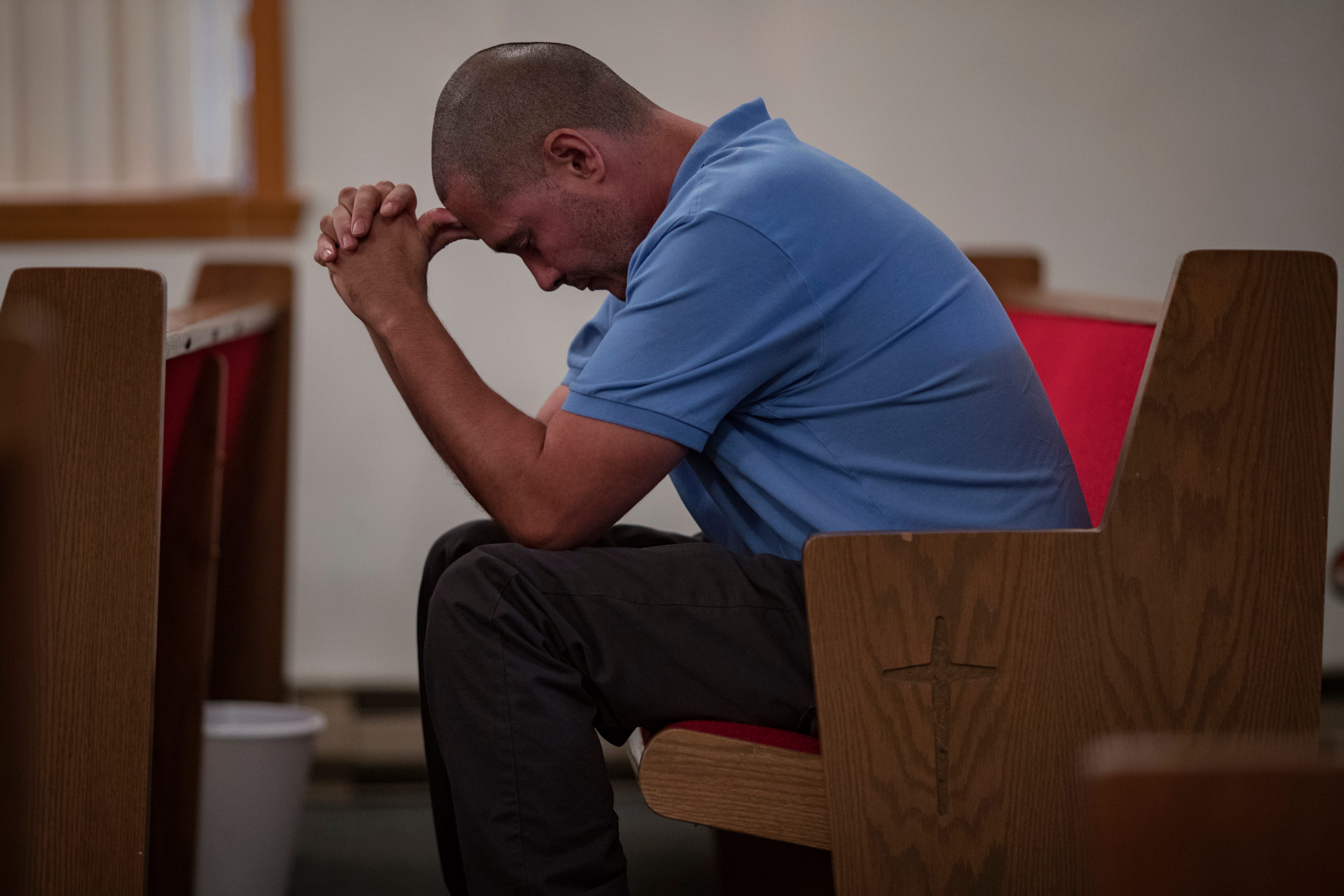
Churches can play an important role in helping people facing addiction find support, rebuild trust, and take the first steps toward recovery. Yet many individuals struggling with alcohol or drug use remain silent because they fear being judged by their church community. They may worry that others will question their faith, criticize their choices, or view their struggles as a personal failure. By responding with understanding rather than condemnation, churches can become places where people feel safe enough to ask for help and explore the support they need.
Addiction is a complex health condition that can affect physical well-being, mental health, family relationships, and spiritual life. Prayer and Christian fellowship can offer comfort and encouragement, but people may also need professional counseling, medical care, or a structured addiction treatment program. When churches recognize these needs and work alongside qualified professionals, they can help individuals and families move toward recovery with dignity and hope.
Why Churches Matter in Addiction Recovery
For many people, church is more than a place of worship. It is a community where they build relationships, seek guidance, and find meaning during difficult seasons of life. Because of these connections, churches can offer valuable support to people affected by addiction.
However, the way a congregation responds can influence whether someone feels comfortable asking for help. If addiction is treated as a moral failure or a subject that should remain hidden, individuals may avoid seeking assistance. In contrast, a welcoming environment can encourage honest conversations and help people connect with appropriate resources.
Replace Stigma With Understanding
One of the most important steps a church can take is to challenge common misconceptions about addiction. Substance use disorders are not simply signs of weak character or insufficient faith. They can involve changes in brain function, emotional distress, trauma, genetics, and environmental pressures.
Understanding these factors does not mean ignoring personal responsibility. Instead, it allows church leaders and members to respond in ways that encourage accountability while recognizing the complexity of addiction.
Churches can promote understanding by offering educational sessions, inviting qualified addiction professionals to speak, and helping members learn how substance use affects individuals and families.
Create a Culture Where Asking for Help Is Safe
People are more likely to seek support when they believe their struggles will be treated with respect. Church leaders can help establish this culture by speaking openly about addiction, mental health, and the importance of professional treatment.
For example, sermons, small group discussions, and church newsletters can communicate that seeking help is a responsible decision. Leaders can also remind congregants that personal struggles do not remove their worth or make them undeserving of care.
Confidentiality is equally important. When someone shares a sensitive concern with a pastor or church leader, that information should be handled carefully and shared only when appropriate. Clear boundaries help protect trust and reduce the fear of gossip.
How Church Leaders Can Offer Practical Support
Good intentions matter, but practical action can make an even greater difference. Churches do not need to become addiction treatment centers to help people affected by substance use. Instead, they can provide reliable support while recognizing when specialized care is necessary.
Listen Without Blame or Assumptions
When someone opens up about addiction, the first response can shape what happens next. Rather than immediately offering criticism or telling the person what they should have done differently, leaders can listen carefully and ask what kind of help would be useful.
Helpful questions include:
- What has been most difficult for you recently?
- Do you have support from a healthcare professional or counselor?
- Would you like help finding treatment resources?
- Is there a practical way our church community can support you right now?
These questions encourage honest discussion without placing unnecessary pressure on the individual.
Church leaders should also avoid making promises that prayer alone will resolve addiction. Prayer can be deeply meaningful, but it should complement professional care when treatment is needed.
Help People Connect With Professional Treatment
A church can be a valuable starting point for someone who does not know where to turn. Leaders can maintain a list of reputable addiction treatment providers, mental health counselors, crisis resources, and local recovery support groups.
Depending on a person’s circumstances, appropriate care may include individual counseling, medication, medically supervised withdrawal management, residential treatment, or outpatient services. A qualified healthcare or addiction professional can help determine which options are suitable.
Churches can also reduce practical barriers by helping people arrange transportation to appointments, understand how to contact providers, or identify available financial assistance.
Most importantly, referrals should be made without shame or pressure. A person should not have to prove their commitment to Christianity before receiving help.
Supporting Mental Health Alongside Addiction Recovery
Addiction and mental health concerns often occur together. Some individuals use alcohol or other substances to cope with anxiety, depression, traumatic experiences, grief, or overwhelming stress. In other cases, substance use contributes to worsening emotional and psychological symptoms.
For this reason, churches should understand that recovery may require attention to more than substance use alone.
Recognize When Professional Mental Health Care Is Needed
Pastors and church volunteers can provide spiritual guidance, companionship, and encouragement. However, they should not attempt to diagnose mental health conditions or replace licensed clinicians.
If someone experiences persistent depression, severe anxiety, trauma symptoms, or difficulty functioning, encourage them to consult a qualified mental health professional. When possible, connect them with providers who respect their Christian beliefs and understand how spirituality may fit into their personal values.
Churches should also know how to respond to urgent concerns. If someone expresses an immediate risk of suicide, overdose, or serious harm, seek emergency or crisis assistance rather than relying solely on pastoral counseling.
Encourage a Balanced Approach to Healing
Recovery can involve physical, emotional, social, and spiritual changes. Churches can support these areas through practical activities that complement clinical treatment.
For example, congregations may organize healthy social gatherings, provide opportunities for meaningful service, offer peer support meetings, or create small groups where people can build positive relationships. These activities can reduce isolation and help individuals develop routines that support recovery.
However, participation should remain voluntary. People receiving treatment may have different needs, schedules, and comfort levels. Respecting those differences helps ensure that support remains helpful rather than overwhelming.
Supporting Families Affected by Addiction
Addiction affects more than the person using substances. Parents, spouses, children, siblings, and other loved ones may experience fear, exhaustion, financial strain, and uncertainty about what to do next.
Churches can help families understand addiction while encouraging them to protect their own well-being.
Offer Guidance on Healthy Boundaries
Family members sometimes believe that supporting a loved one means continually covering up harmful behavior, lending money without limits, or accepting repeated broken promises. Although these responses may come from love, they can increase stress and make it harder to establish healthier patterns.
Church leaders can encourage families to seek professional guidance on setting boundaries, communicating clearly, and recognizing when additional support is necessary.
Healthy boundaries are not the same as rejection. They allow family members to care about someone while protecting their safety, finances, and emotional health.
Make Support Available to Loved Ones
Churches can organize educational workshops, family support meetings, or referrals to counselors experienced in addiction-related concerns. These resources give loved ones a place to discuss their worries without being blamed for another person’s substance use.
Families may also need help with practical matters, such as childcare, transportation, meals, or finding treatment information. Small acts of assistance can reduce daily pressures and make it easier to focus on recovery.
Building an Addiction Support Ministry That Respects Individual Needs
Churches that want to provide ongoing support can develop a clear plan for responding to addiction. A formal ministry does not need to be complicated, but it should have appropriate safeguards and reliable connections to professional care.
Train Volunteers and Establish Clear Guidelines
Volunteers should understand the basics of addiction, mental health concerns, confidentiality, boundaries, and emergency response. They should know how to listen without judgment and when to refer someone to a qualified professional.
Church leaders should establish guidelines for handling sensitive information, responding to safety concerns, and avoiding situations that exceed a volunteer’s training.
If the church hosts support groups, leaders should clearly explain the group’s purpose and limits. Peer support can offer connection, but it does not replace medical treatment or individualized therapy.
Build Relationships With Qualified Providers
Developing relationships with addiction specialists, licensed counselors, healthcare providers, and established recovery organizations can help churches offer more informed assistance.
These partnerships also make it easier to guide individuals toward appropriate levels of care. Some may benefit from outpatient counseling while living at home. Others may need intensive outpatient services or residential treatment in a structured environment.
The right recommendation depends on individual circumstances, clinical needs, and safety considerations. Churches can help people explore options without attempting to make treatment decisions outside their expertise.
Respect Each Person’s Recovery Needs
No two people have exactly the same experiences with addiction. Their medical needs, family situations, spiritual beliefs, and recovery goals may differ considerably.
A supportive church should therefore avoid a one-size-fits-all approach. Some individuals may welcome prayer and pastoral counseling, while others may prefer practical assistance or a referral to a clinician first. Many will benefit from a combination of services.
Respecting personal choice helps people participate in recovery without feeling that they must meet someone else’s expectations to receive support.
How Christians Can Show Support Every Day
Building a supportive church culture involves more than creating a program. Everyday interactions can help people feel accepted and understood.
Church members can make a difference by listening carefully, avoiding gossip, learning about addiction, and offering practical help when appropriate. They can also speak respectfully about people in recovery rather than reducing someone to their past behavior.
It is equally important to celebrate progress without expecting perfection. Recovery may involve difficult periods, changes in treatment, and continued effort. Encouragement should recognize meaningful steps while allowing room for honest conversations about setbacks.
Christian teachings about grace, service, forgiveness, and caring for others can help guide these responses. Put into practice, these principles encourage a community that combines spiritual support with responsible action.
Conclusion: Make Your Church a Place Where Recovery Can Begin
Churches have an opportunity to make a meaningful difference in the lives of people affected by addiction. By replacing stigma with understanding, protecting confidentiality, supporting families, and connecting individuals with qualified treatment providers, congregations can offer help that respects both faith and health.
Addiction recovery may require medical care, mental health treatment, counseling, peer support, and continued encouragement. Prayer and Christian community can complement these services, helping individuals find connection and purpose as they work toward healthier lives.
If your church wants to strengthen its response to addiction, start by learning about local treatment options and training leaders to recognize when professional help is needed. If you or someone you love is struggling, consider speaking with a qualified addiction professional and a trusted faith leader who supports evidence-informed care.
A church does not need to have every answer to offer meaningful help. It needs to listen without judgment, respond with care, and help people connect with the support they deserve.